Okay, so check this out—Solana looks fast. Really fast. Wow! At first glance it almost feels like the network is doing the heavy lifting for you, but when you dig in, things get messy in helpful ways. My instinct said “this will be straightforward,” but then I started tracing a token transfer and discovered layers I hadn’t expected.
Here’s the thing. Solana’s architecture—parallel processing, the runtime, and its distinct transaction model—gives you a ton of telemetry if you know where to look. Some explorers surface that cleanly. Others bury it. If you’re a user trying to verify a payment, an NFT buyer checking provenance, or a dev debugging a failed instruction, an explorer becomes your magnifying glass. I’m biased, but the right one changes everything.
First impressions matter. When I open an explorer I want a clear transaction timeline. Block height. Signatures. Fee breakdown. Program logs. And yes, a decoded instruction set that doesn’t require a decoder ring. On one hand explorers like this give you instant confidence; on the other hand, they can lull you into trusting a UI that may omit nuance… so double-check raw data when needed.
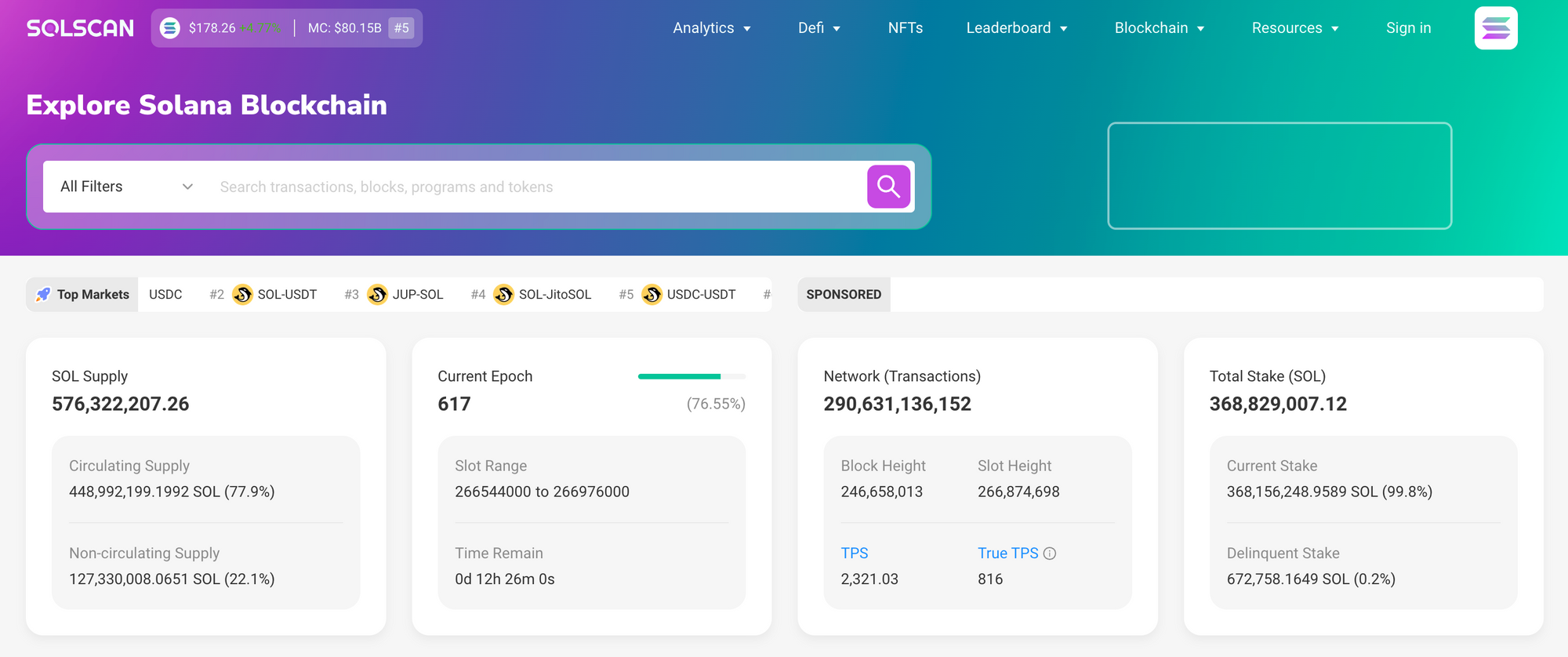
What to read first in a Solana transaction
Signature. Timestamp. Slot. These are the obvious starters. But the breadcrumbs that actually solve problems are slightly deeper. Look at inner instructions. Check account balance deltas. Inspect program logs and return data. If you see a “compute units exceeded” message, that tells you why an instruction failed without guessing. Seriously? Yes—these little readouts are golden.
Transaction status also matters. Confirmed versus finalized is not just semantics. A confirmed transaction can still be rolled back in rare reorgs; finalized means the ledger has settled. For high-value moves I wait for finality. My rule of thumb: if it’s worth real-world money, wait a touch longer. That simple habit has saved me from painful tweets. (oh, and by the way…)
When a token swap looks wrong, trace the inner instructions. You’ll often find multiple program calls: the DEX, a fee collector, maybe a wrapping/unwrapping step. That chain explains why the net amount differs from expectations. Initially I thought a UI glitch was to blame, but actually the swap routed through a liquidity pool with slippage and a routing path that chopped value.
Solana analytics that actually help
Throughput metrics—transactions per second—are headline stuff. But useful analytics go deeper: per-program activity, rent-exempt account counts, and compute unit consumption trends. Developers want to know which instruction consumes the most compute. Users want to spot abnormal fee spikes. Institutional analysts need block-producer patterns. Different audiences. Different views. On one hand, aggregate TPS reassures; on the other hand, per-account activity reveals concentration that matters.
Heatmaps of activity over time are surprisingly useful. They show when a program became hot, which often correlates with a bot strategy or an airdrop. Watch for sudden jumps in inner instructions per transaction—that’s a giveaway that transactions are doing more work than usual, likely costing more compute and creating potential congestion.
And then there’s token analytics. Look for mint authority changes, burn events, and multisig signatures. Provenance matters for NFTs especially. If you’re verifying ownership history, follow each transfer signature and the associated timestamp; don’t trust just the latest metadata listed in a marketplace.
Practical tips and red flags
Always copy the full transaction signature and paste it into the explorer field. Shortcuts sometimes show a prettified summary that skips low-level details. If a transaction fails, read the program logs first. Look for stack traces or explicit “error” codes—BPF programs often return helpful messages.
Red flag examples: sudden spikes in fee per transaction without network-wide congestion, many tiny transfers to the same account in a short window, or multiple different programs being called where one would normally suffice. These patterns often suggest automation. I’m not saying it’s malicious—sometimes it’s just efficiency—but it should make you curious.
Watch out for duplicates. I’ve seen cases where a wallet retries a transaction and creates two pending signatures; one succeeds and the other stalls, creating confusing UI states. Also, if you see large balance shifts to new accounts that immediately delegate or close, dig deeper. That pattern can be bookkeeping, or it can be a cover for more complex flows.
For developer debugging: simulate the transaction locally or via RPC before broadcasting. Simulation exposes the same logs without committing state. Use that to iterate on program arguments and to measure compute units consumed. If you’re hitting limits, optimize instruction packing or break the operation into several transactions.
If you’re exploring a project, compare token holders over time. Look for whales concentrated in a few wallets—this concentration can affect price and governance outcomes. Don’t just eyeball totals; calculate distributions. Yep, it’s a little tedious, but it’s worth it.
FAQ
How do I verify a transaction is legitimate?
Start with the signature on an explorer. Check the sender and recipient addresses, the program IDs called, and the timestamp. Inspect inner instructions and logs for program-specific messages. If the explorer provides a decoded instruction breakdown, use it, but cross-reference with raw account deltas to be sure nothing’s hidden.
Which explorer should I use?
Different explorers prioritize different things. For a clean interface with strong decoding and quick analytics, I often recommend solscan as one of the go-to options. Try two explorers if you’re uncertain; mismatches between them are clues, not contradictions.
What about privacy and on-chain tracing?
Remember that Solana is public. Addresses are pseudonymous, not private. Reuse of an address ties actions together, so best practice is to avoid reusing addresses for unrelated activities. If privacy is a priority, plan architecture and tooling accordingly, and avoid leaking metadata through off-chain APIs.